
The Thrill of Uncertainty
The allure of casino gambling often lies in the excitement generated by uncertainty. Players are drawn to the unpredictable nature of games, where outcomes are never guaranteed. This uncertainty triggers the brain’s reward system, releasing dopamine, a neurotransmitter associated with pleasure and motivation. The promise of potential rewards and the thrill of risk-taking lure players back to best online casino australia , creating a powerful psychological drive that compels individuals to engage in gambling despite the likelihood of financial loss. This intricate dance between hope and despair keeps players returning, often despite previous setbacks.
Furthermore, the unpredictability of gambling serves as a significant escape from daily life. Many players find solace in the thrill of spinning a slot machine or rolling dice, as these activities offer a temporary respite from stress, anxiety, or monotony. The casino environment enhances this experience; bright lights, enticing sounds, and a vibrant atmosphere all contribute to an immersive experience designed to captivate attention. This sensory overload can create euphoric feelings, leading to a heightened emotional state that encourages continued play. In this way, casinos become a refuge for those seeking distraction from their everyday responsibilities.
However, the excitement derived from uncertainty can also foster compulsive behavior. When players experience wins, they may become overconfident, misjudging their chances of future success. This phenomenon, known as the “gambler’s fallacy,” can lead individuals to overlook statistical realities in favor of personal experiences. Over time, this misjudgment can create a cycle of chasing losses and justifying continued expenditure, often resulting in significant emotional and financial distress. Understanding this cycle is crucial for recognizing the fine line between entertainment and addiction.
The Role of Cognitive Biases
Cognitive biases significantly influence the decision-making processes of gamblers. One common bias is the illusion of control, where players believe they can influence outcomes through their actions, even though games are fundamentally random. Gamblers may feel that their choices, like selecting specific numbers or implementing strategies, can sway results. This belief can extend their engagement in gambling activities, as they become convinced that a winning streak is imminent, further entrenching them in the gambling experience. The psychological satisfaction derived from this false sense of control can be intoxicating, leading to repeated attempts at beating the odds.
Another notable cognitive bias is the availability heuristic. This bias causes individuals to recall recent wins more vividly than past losses. For instance, a player who wins on a slot machine may vividly remember that victory while conveniently forgetting the many occasions they lost. This selective memory reinforces gambling behavior, leading players to believe they are “due” for a win based on their recent successes. Such cognitive distortions not only affect emotional states but also cloud rational judgment regarding the realities of gambling. As a result, players may become trapped in a cycle of optimism that blinds them to the odds stacked against them.
The framing effect also plays a crucial role in gambling decisions. How information is presented can significantly alter perceptions and choices. For example, framing a game as “having a chance to win big” rather than “having a high risk of loss” can encourage participation, irrespective of statistical odds. Casinos often exploit this by marketing their games in ways that highlight potential rewards, thereby embedding cognitive biases in the minds of players, which leads to increased time and money spent. This strategic presentation of information can manipulate emotions, fostering an environment where rational decision-making becomes increasingly difficult.
The Social Aspect of Gambling
The social environment of casinos adds another layer to the psychology of gambling. Many players appreciate the communal aspect of visiting casinos with friends and family, sharing in the excitement and forging social bonds. This interaction reinforces the positive emotions associated with gambling, making the overall experience more enjoyable. It cultivates a sense of belonging and shared purpose, as players celebrate wins together or offer support during losses, enhancing the overall thrill of the gambling experience. The joy of social connections can amplify the pleasure derived from gambling, making it a shared adventure.
Additionally, the phenomenon of social proof can heavily influence behavior in gambling settings. When individuals observe others winning, they may feel compelled to join in, believing that they too might experience similar fortunes. This collective enthusiasm can increase the likelihood of gambling, as excitement spreads among players. Moreover, social gatherings at casinos often include promotions and incentives, creating even more compelling reasons for individuals to engage in gambling activities. The shared excitement can lead to a sense of camaraderie, further encouraging involvement in gambling.
However, the social aspect can also obscure negative outcomes. Friends may inadvertently encourage continued play despite financial losses, or peer pressure may lead individuals to gamble beyond their limits. This social dynamic complicates responsible gambling efforts, as the collective enthusiasm surrounding gambling can overshadow personal concerns about its repercussions. Therefore, understanding the social psychology behind gambling is crucial for addressing potential issues associated with gambling behavior. Recognizing the influence of social interactions can help individuals navigate their gambling choices more wisely.
The Impact of Marketing and Environment
Casino marketing strategies are meticulously crafted to optimize engagement and maximize profits. From enticing visuals and sounds to the strategic arrangement of gaming machines, every element is designed to create a captivating atmosphere. Casinos employ psychological techniques, such as offering complimentary drinks or loyalty programs, to keep players on the premises and engaged with the games. These marketing tactics exploit cognitive biases, encouraging players to view continued play as a simple and rewarding option. The result is an environment where players feel compelled to spend more time and money than they initially intended.
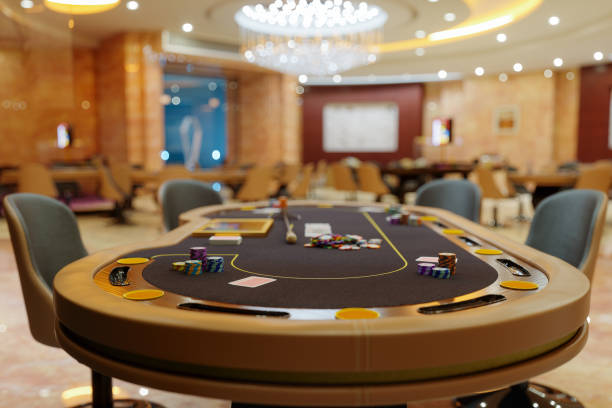
The layout of a casino is also intentionally designed to foster gambling behavior. Games are strategically placed, and distractions leading to exits are minimized to ensure players remain immersed in the environment. The absence of clocks or windows creates a disorienting experience where players lose track of time, further entrenching them in gambling. This carefully orchestrated environment plays a crucial role in reinforcing gambling habits and altering perceptions of time and money spent. The design of these spaces is no accident; it is a calculated effort to keep players engaged for as long as possible.
In addition to physical environments, the rise of digital platforms for online gambling has amplified casino marketing efforts. Players can access games from the comfort of their homes, often influenced by targeted advertisements through social media and other digital channels. The convenience and accessibility of online gambling create a continuous engagement loop, allowing players to gamble at any hour. This shift has profound implications for gambling psychology, blurring the lines between entertainment and addiction, necessitating a reevaluation of responsible gambling practices. The digital age has transformed the landscape of gambling, making it easier than ever for individuals to engage in potentially harmful behaviors.
Exploring Responsible Gambling Resources
As the complexities of gambling psychology unfold, it becomes increasingly vital to address responsible gambling resources. Awareness and education about the psychological triggers influencing gambling behavior can empower individuals to make informed decisions. Many organizations are dedicated to providing resources, support, and tools for those struggling with gambling addiction or those who wish to gamble responsibly. These resources can include self-exclusion programs, counseling services, and educational materials about the risks associated with gambling. The importance of these resources cannot be overstated, as they provide a safety net for vulnerable individuals.
Moreover, online platforms are incorporating responsible gambling features into their services, such as setting deposit limits or providing reminders about time spent gambling. By promoting these tools, the gambling industry can foster a healthier relationship between players and the games they enjoy. If individuals can recognize the psychological factors at play—such as cognitive biases and social influences—they will be better equipped to navigate their gambling experiences thoughtfully and responsibly. The integration of responsible gambling practices is essential in maintaining a balance between enjoyment and safety.
Ultimately, understanding the psychology behind casino gambling offers valuable insights not just for players but also for industry stakeholders. By fostering greater awareness of potential pitfalls and encouraging responsible practices, the gambling community can cultivate a safer environment for all. It is essential for players to take an active role in managing their gambling habits, ensuring that the thrill remains an enjoyable and sustainable aspect of their recreational activities. The collective responsibility of players, operators, and regulators is crucial for promoting a healthier gambling landscape.